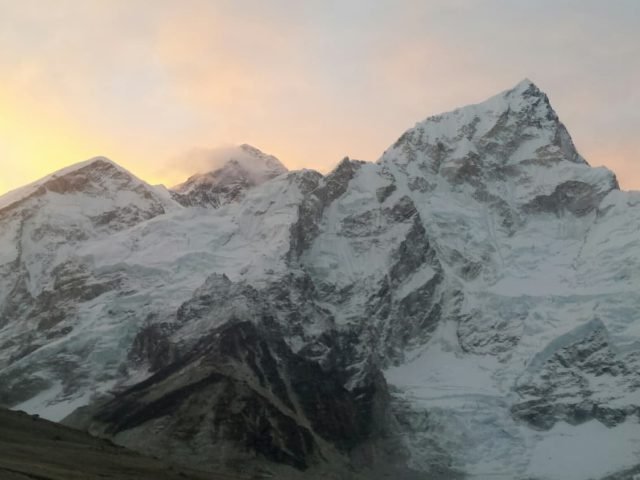
Everest Base Camp Trek
From $1,350 per person

Trekking region
The Khumbu valley below Mount Everest: Sherpa villages, Buddhist monasteries and the most famous trekking trails on earth, from Everest Base Camp to the Gokyo Lakes and the three high passes.
Compare the routes
Every trek below runs as a private trip on your dates or with a small group. Compare the length, height and grade, then open a trek for its full day-by-day plan.
| Trek | Days | Max altitude | Grade | Best for | Price from |
|---|---|---|---|---|---|
 Everest Base Camp Trek |
13 | 5,545 m | Challenging | Oct - Nov, Mar - May | $1,350 |
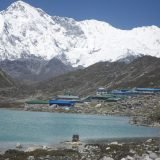 Gokyo Lake Trek |
17 | 5,357 m | Challenging | Mar–May, Oct–Nov | $1,570 |
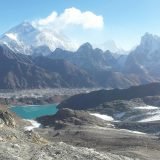 Everest Three High Passes Trek |
20 | 5,545 m | Strenuous | Apr–May, Oct–Nov | $1,950 |
From $1,350 per person
From
$1,620
$1,570
per person
From $1,950 per person
Why go
The Everest region — the Khumbu — is the trek most people dream about: a week’s walk from a mountain airstrip at Lukla to the foot of the highest mountain on earth, with nights in Sherpa lodges and days among peaks like Ama Dablam, Lhotse and Cho Oyu.
It is also the best-supported trekking region in Nepal. Trails are well maintained, teahouses are comfortable, and there are health posts and helicopter access if anything goes wrong. What it is not is quiet: in October and April the main trail is busy, which is why we also offer the Gokyo valley and the high passes.
Sunrise on Everest’s summit pyramid from Kala Patthar, and the Khumbu Icefall from base camp.
Tengboche and Pangboche monasteries, prayer-flag bridges and Namche Bazaar’s Saturday market.
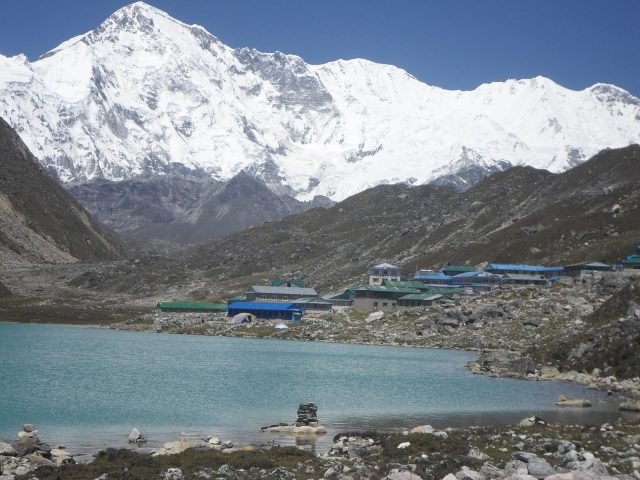
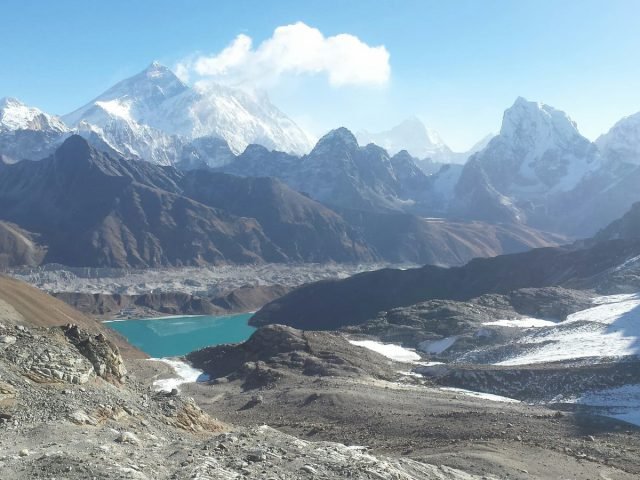
The turquoise Gokyo Lakes beside the Ngozumpa, Nepal’s longest glacier.
From a classic 13-day base camp trek to a 20-day loop over three passes above 5,300 m.
When to go
Warmer days, rhododendrons in bloom lower down and expedition tents at base camp. Haze can soften the views by late May.
The clearest skies of the year and the busiest trails. Nights get properly cold by November.
Quiet trails and sharp views, but nights well below -10°C at Gorak Shep. Some high lodges close.
Clouds, rain lower down and frequent Lukla flight cancellations. Only for flexible travellers.
Permits & cost
All permits are arranged by us and included in the trek price. Fees are set by the government and can change — we always charge the current rate.
Issued in Kathmandu or at the park gate in Monjo. Included in our treks.
Local area permit issued in Lukla. Included in our treks.
Return flights Kathmandu–Lukla (or Manthali–Lukla in peak season). Luggage limit 15 kg in total per person.
There are three classic ways to experience the Khumbu, and they share the same first days from Lukla to Namche Bazaar.
Comparing routes in more depth? Read alternative routes to Everest Base Camp and EBC vs Annapurna Base Camp.
Almost every trek starts with a 35-minute flight to Tenzing–Hillary Airport at Lukla (2,860 m). In the busy seasons some flights leave from Manthali, a 4–5 hour drive from Kathmandu. Weather in the mountains often delays flights, so we always recommend one or two spare days at the end of your trip.
Above Namche the trail climbs steadily to 5,000 m and beyond. Our itineraries follow the “climb high, sleep low” rule with rest days in Namche Bazaar and Dingboche. Headaches and poor sleep are common; worsening symptoms mean descending. Read our guide to altitude sickness and acclimatisation.
Lodges in the Khumbu are among the best in Nepal: hot showers in Namche, bakeries, Wi-Fi in most villages and heated dining rooms. Above Dingboche rooms are basic and shared toilets freeze at night. See what to expect in our guide to Everest Base Camp teahouses.
Your trek price covers flights, permits, guide and porter, lodging and meals. On top, budget about US$20–30 a day for hot drinks, showers, charging and snacks, plus tips at the end. Full breakdown: Everest Base Camp trek cost.
Keep planning
No. It is challenging because of the altitude, but it has no technical sections and no high pass. The Three High Passes and Manaslu Circuit are harder.
The Khumbu applies its own local rules, but we only run guided treks: guides handle permits and lodges, and make altitude decisions that keep you safe.
Yes — the old route from Jiri or Salleri adds 5–7 days of walking through the lower hills. It is quiet, cheaper and great for acclimatisation.
October for the clearest views, April for warmer days and flowers. See our month-by-month guide.
Didn’t find your answer? Ask the guide who leads this trek.
Free trip planning
Tell us how many days you have and how fit you feel. We’ll suggest the route that fits — or design one around you.
A guide replies within 24 hours, by the channel you prefer.