Khopra Danda Ridge Trek
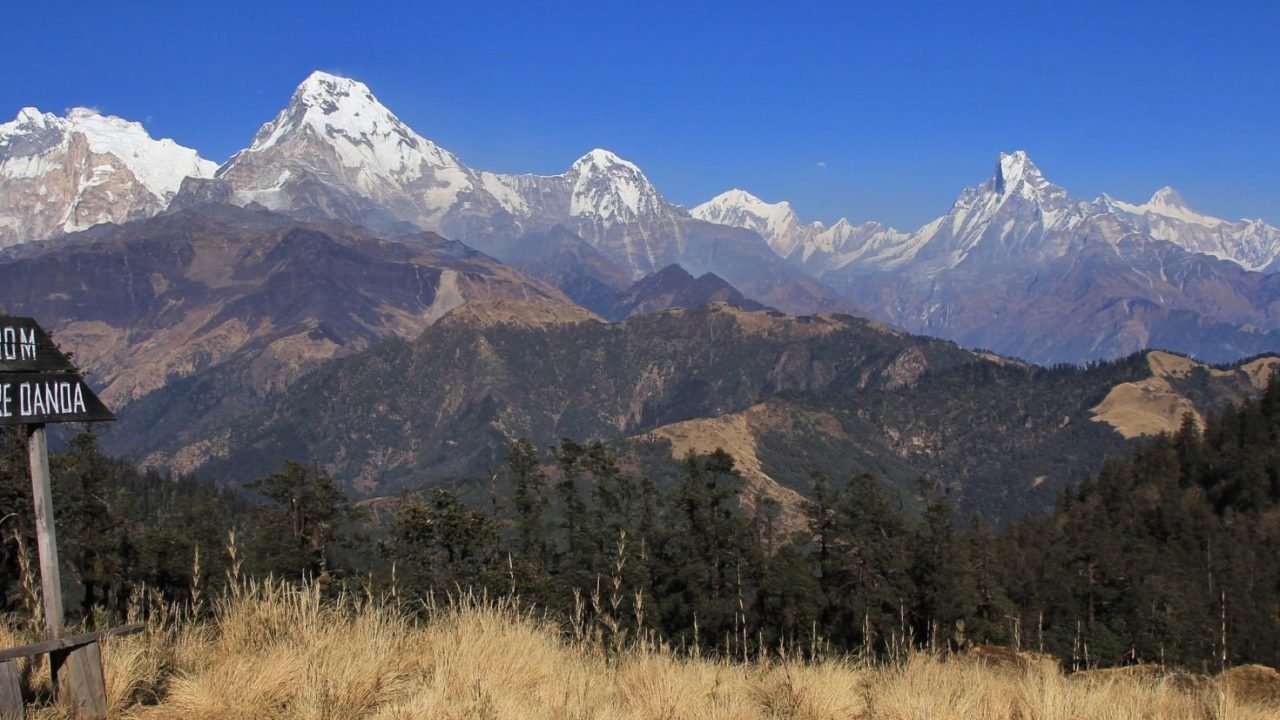
Leave the crowds of Poon Hill for a high ridge facing Dhaulagiri and a sacred lake below Annapurna South.
Trip at a glance
- Duration
- 9 Days
- Difficulty
- Moderate
- Max altitude
- 4,500 m / 14,764 ft · Khayer Lake (day hike)
- Start / End
- Kathmandu / Kathmandu
- Best season
- Mar–May, Oct–Nov
- Accommodation
- Teahouses and community lodges
- Meals
- Breakfast, lunch & dinner on the trek
- Transport
- Bus Kathmandu–Pokhara–Kathmandu, jeep to the trailhead
Overview
Highlights
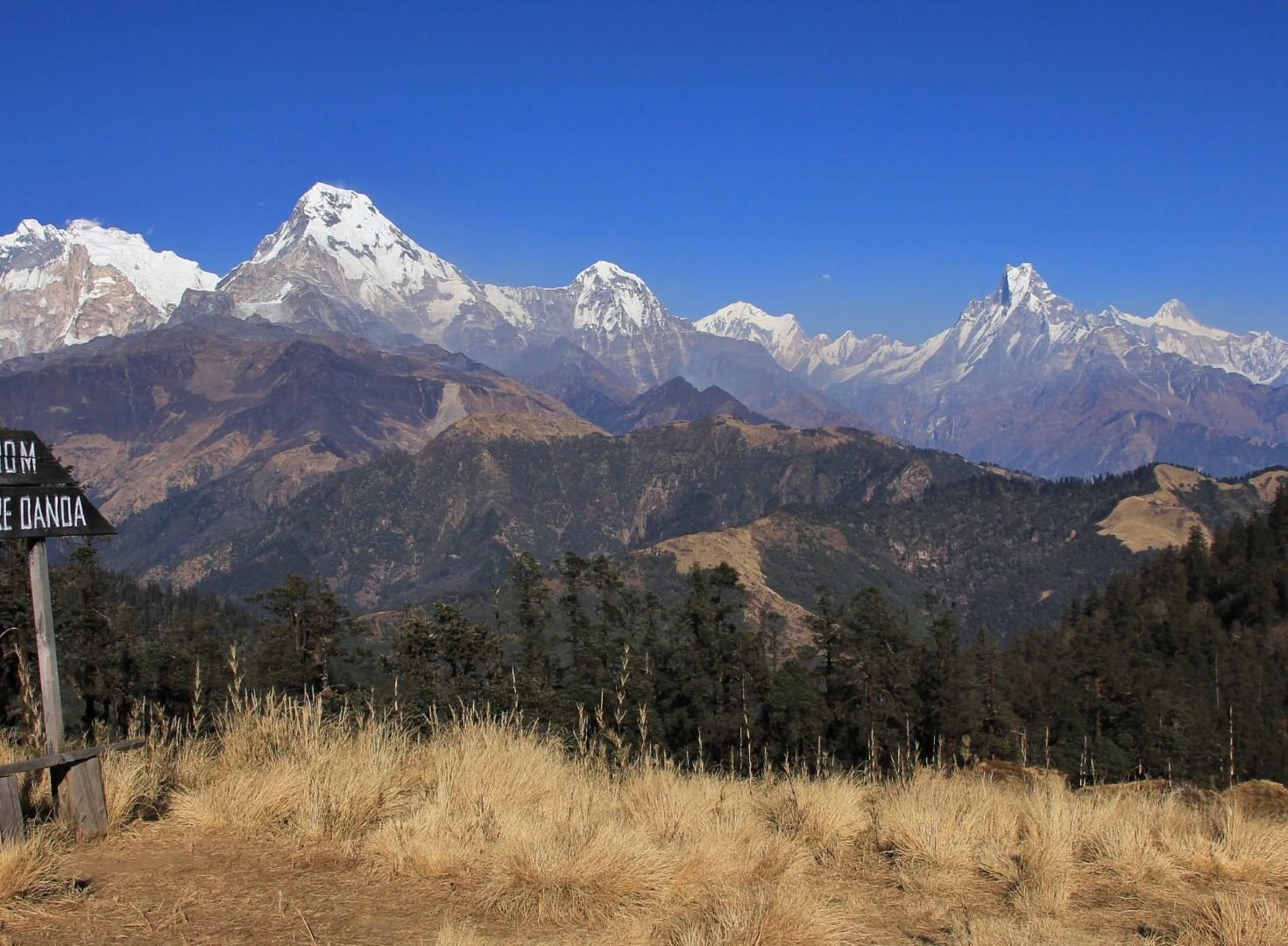
- Khopra Danda (3,660 m): a front-row seat facing Dhaulagiri and the Kali Gandaki gorge
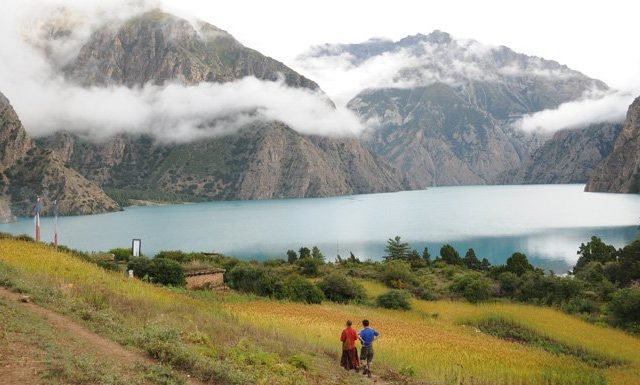
- Day hike to Khayer Lake (about 4,500 m), sacred to Hindus
- Community-run lodges that fund local schools
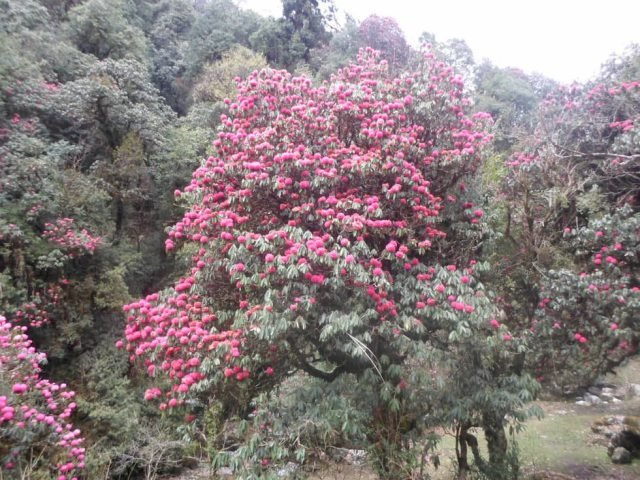
- Rhododendron forests with very few other trekkers
- Finish with sunrise on Poon Hill
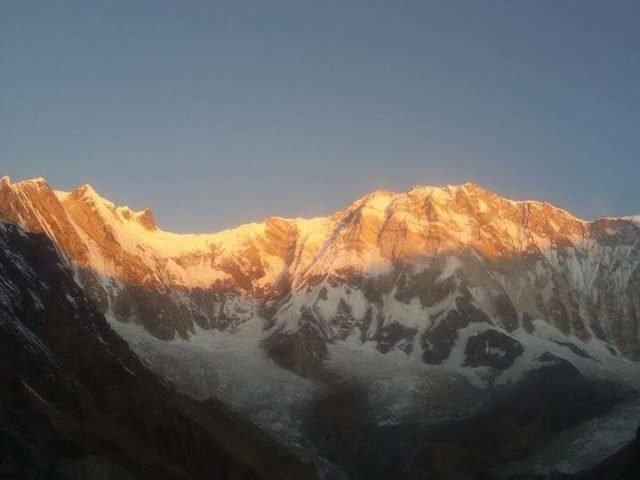
The Khopra Danda Ridge trek is a 9-day trip from Kathmandu that leaves the busy Poon Hill circuit for a quiet ridge at 3,660 m facing Dhaulagiri, with a day hike to the sacred Khayer Lake below Annapurna South. It sits halfway between the easy Poon Hill Trek and the longer Annapurna Base Camp Trek.
Lodges on the ridge are run by village communities, and the profits go to local schools and health posts. The trail through Dobato and Bayeli climbs through some of the most beautiful rhododendron forest in the region.
Itinerary
Walking times are for an average pace with breaks. Your guide adjusts the day to the group and the weather.
Day-by-day at a glance
| Day 1 | Drive from Kathmandu to Pokhara | 820 m |
|---|---|---|
| Day 2 | Drive to Nayapul, trek to Ghandruk | 1,940 m |
| Day 3 | Ghandruk to Dobato | 3,420 m |
| Day 4 | Dobato to Khopra Danda | 3,660 m |
| Day 5 | Day hike to Khayer Lake | 3,660 m |
| Day 6 | Khopra Danda to Swanta | 2,200 m |
| Day 7 | Swanta to Ghorepani | 2,860 m |
| Day 8 | Poon Hill sunrise, trek to Hile and drive to Pokhara | 820 m |
| Day 9 | Return to Kathmandu | 1,400 m |
-
Day 1: Drive from Kathmandu to Pokhara 820 m 6–7 hrs Hotel
- Overnight altitude
- 820 m / 2,690 ft
- Overnight at
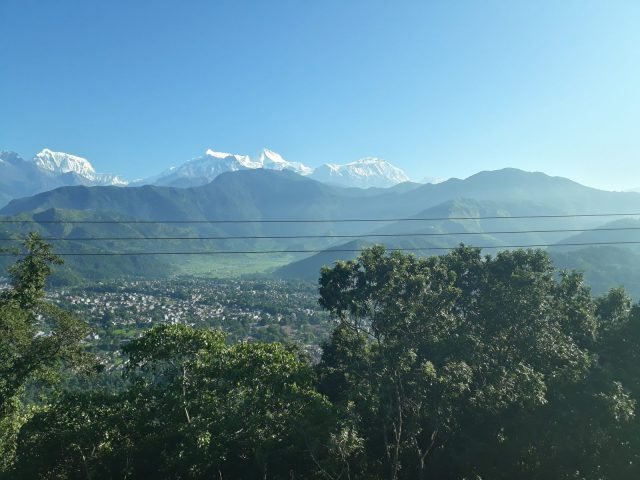
- Pokhara
- Walking / travel
- 6–7 hrs
- Accommodation
- Hotel
Tourist bus along the Trishuli and Marsyangdi rivers to Pokhara. Evening by the lake.
-
Day 2: Drive to Nayapul, trek to Ghandruk 1,940 m 1.5 hrs drive, 5 hrs walking Teahouse
- Overnight altitude
- 1,940 m / 6,365 ft
- Overnight at
- Ghandruk
- Walking / travel
- 1.5 hrs drive, 5 hrs walking
- Accommodation
- Teahouse
- Meals
- Breakfast, Lunch, Dinner
Walk up through terraced fields to the Gurung village of Ghandruk.
-
Day 3: Ghandruk to Dobato 3,420 m 6–7 hrs Teahouse
- Overnight altitude
- 3,420 m / 11,220 ft
- Overnight at
- Dobato
- Walking / travel
- 6–7 hrs
- Accommodation
- Teahouse
- Meals
- Breakfast, Lunch, Dinner
Climb via Tadapani into dense rhododendron forest to the clearing at Dobato.
-
Day 4: Dobato to Khopra Danda 3,660 m 6–7 hrs Community lodge
- Overnight altitude
- 3,660 m / 12,008 ft
- Overnight at
- Khopra Danda
- Walking / travel
- 6–7 hrs
- Accommodation
- Community lodge
- Meals
- Breakfast, Lunch, Dinner
Contour high slopes via Chistibang to the ridge of Khopra Danda, facing Dhaulagiri, Tukuche Peak and Annapurna South.
-
Day 5: Day hike to Khayer Lake 3,660 m 8–10 hrs return Community lodge
- Overnight altitude
- 3,660 m / 12,008 ft
- Overnight at
- Khopra Danda
- Walking / travel
- 8–10 hrs return
- Accommodation
- Community lodge
- Meals
- Breakfast, Lunch, Dinner
A long, high day to Khayer Lake (about 4,500 m), a sacred lake beneath Annapurna South. Your guide decides on the day whether conditions and the group allow it.
-
Day 6: Khopra Danda to Swanta 2,200 m 5–6 hrs Teahouse
- Overnight altitude
- 2,200 m / 7,218 ft
- Overnight at
- Swanta
- Walking / travel
- 5–6 hrs
- Accommodation
- Teahouse
- Meals
- Breakfast, Lunch, Dinner
Descend through pastures and forest to the Magar village of Swanta.
-
Day 7: Swanta to Ghorepani 2,860 m 5–6 hrs Teahouse
- Overnight altitude
- 2,860 m / 9,383 ft
- Overnight at
- Ghorepani
- Walking / travel
- 5–6 hrs
- Accommodation
- Teahouse
- Meals
- Breakfast, Lunch, Dinner
Climb back up through Chitre to Ghorepani.
-
Day 8: Poon Hill sunrise, trek to Hile and drive to Pokhara 820 m 5–6 hrs walking, 1.5 hrs drive Hotel
- Overnight altitude
- 820 m / 2,690 ft
- Overnight at
- Pokhara
- Walking / travel
- 5–6 hrs walking, 1.5 hrs drive
- Accommodation
- Hotel
- Meals
- Breakfast, Lunch
Sunrise from Poon Hill (3,210 m), then down the Ulleri steps to Hile and a drive to Pokhara.
-
Day 9: Return to Kathmandu 1,400 m 6–7 hrs
- Overnight altitude
- 1,400 m / 4,593 ft
- Walking / travel
- 6–7 hrs
- Meals
- Breakfast
Tourist bus back to Kathmandu.
What’s included
One clear price for the trek itself. Anything that varies from person to person is listed as not included, so there are no surprises.
Included in the price
Transport
- Tourist bus Kathmandu–Pokhara–Kathmandu
- Jeep Pokhara–Nayapul and Hile–Pokhara
Accommodation
- Hotel in Pokhara with breakfast
- Teahouses and community lodges on a twin-sharing basis
Meals
- Breakfast, lunch and dinner with tea or coffee every day of the trek
Guide & porter
- Government-licensed, English-speaking trekking guide
- Porter to carry your main bag (one porter per two trekkers)
- Salary, meals, lodging, insurance and equipment for all staff
Permits & fees
- Annapurna Conservation Area Permit (ACAP)
- TIMS card
- All government taxes and service charges
Safety
- Group first-aid kit carried by your guide
- Pre-trek briefing and route check in Kathmandu
- Back-up from our Kathmandu office throughout the trek
Not included
Travel
- International flights to and from Nepal
- Nepal visa fee (issued on arrival at Kathmandu airport)
- Travel insurance — must cover trekking altitude and helicopter evacuation
Food & lodging
- Lunch and dinner in Kathmandu (and Pokhara where applicable)
- Hotel in Kathmandu before and after the trek (we can book one for you)
- Bottled water, soft drinks, snacks and alcohol
- Hot showers, Wi-Fi and battery charging on the trail
Personal
- Personal trekking gear (can be hired in Kathmandu or Pokhara)
- Laundry, phone calls and souvenirs
- Tips for your guide and porter (customary, at your discretion)
Other
- Emergency evacuation and medical costs
- Extra nights or transport caused by weather, flight delays or early return
Dates & price
Group size discounts
| Group size | Price per person |
|---|---|
| 1 person | $850 |
| 2–3 people | $740 |
| 4–7 people | $710 |
| 8–12 people | $680 |
| 13+ people | $650 |
Dates don’t line up? Send a request for any date — we’ll make it work. Sending a request is free and doesn’t commit you to pay.
Packing list
49 items, grouped the way you dress on the trail. Your porter carries the main bag; you carry a 25–35 L daypack with water, layers, snacks and documents.
Head & face 5 items
- Sun hat or cap
- Warm beanie that covers your ears
- Buff or bandana for dust
- Category 3–4 sunglasses with UV protection
- Headlamp or small torch
Upper body 5 items
- 2–3 quick-dry trekking shirts (no cotton)
- Thermal base layer top
- Fleece or light insulated jacket
- Light down jacket for evenings
- Waterproof, breathable shell jacket
Hands 2 items
- Light liner gloves
- Warm fleece gloves
Lower body 5 items
- 2 pairs of trekking trousers
- Thermal base layer leggings
- Waterproof over-trousers
- Comfortable trousers or shorts for the evenings
- Underwear (quick-dry)
Feet 4 items
- Broken-in waterproof trekking boots with ankle support
- Camp shoes or sandals for the teahouse
- 3–4 pairs of trekking socks (wool or synthetic)
- One pair of warm thick socks for nights
Bags & sleeping 6 items
- Daypack 25–35 L with rain cover
- Duffel bag for the porter (we can lend one)
- Sleeping bag rated to about 0°C (can be hired)
- Trekking poles
- Reusable water bottles or bladder (2 L total)
- Dry bags or zip bags for electronics and documents
Electronics & documents 6 items
- Passport with 6 months’ validity and spare passport photos
- Copy of your travel insurance policy
- Phone and charging cable
- Power bank (charging costs extra higher up)
- Universal adaptor (Nepal uses type C, D and M sockets)
- Some cash in Nepali rupees for snacks, showers and tips
Toiletries 5 items
- Biodegradable soap and travel towel
- Toothbrush and toothpaste
- SPF 50 sunscreen and SPF lip balm
- Hand sanitiser and wet wipes
- Toilet paper (not supplied in most lodges)
Medicines & first aid 6 items
- Your personal prescription medicines
- Altitude medication (acetazolamide) — ask your doctor
- Rehydration salts
- Blister plasters and tape
- Painkillers and anti-diarrhoea tablets
- Water purification tablets or a filter bottle
Optional extras 5 items
- Snacks from home (energy bars, nuts)
- Camera and spare memory cards
- Book, cards or e-reader for evenings
- Lightweight binoculars
- Earplugs for thin teahouse walls
Rent instead of buying. Down jackets, sleeping bags and trekking poles are easy to hire in Kathmandu and Pokhara for a few dollars a day. Ask us at the trip briefing and we’ll point you to shops we trust.
Before you go
Permits
Two documents are needed, both arranged by us and included:
- Annapurna Conservation Area Permit (ACAP)
- TIMS card (Trekkers’ Information Management System)
They are checked at several posts along the trail, so your guide keeps them handy. Since 2023 trekkers in the Annapurna region must walk with a licensed guide. See the Annapurna region guide for fees.
Difficulty and preparation
This is a moderate trek. Expect 5–7 hours on foot most days on stone steps and mountain paths, with long climbs and descents. No technical skills are needed, but you will enjoy it far more if you train for 6–8 weeks beforehand: hill walks with a loaded daypack, stairs, and cardio three times a week.
Best time to go
March–May brings rhododendron forests in flower and October–November the clearest views. December–February is good below 3,500 m but snow can close the higher sections. June–August is monsoon: wet trails and leeches in the forests, though the rain-shadow side beyond Manang stays drier.
Altitude and safety
The highest point of the Khopra Danda trek (on the Khayer Lake hike) is 4,500 m. Most people feel the altitude above 3,000 m: a mild headache and poor sleep are normal. Our itinerary climbs slowly, with rest days where they matter, and your guide checks how you feel every morning and evening.
- Drink 3–4 litres of water a day and skip alcohol until you descend.
- Tell your guide about any headache that does not go away, nausea or unusual tiredness.
- If symptoms get worse, we descend — it is the only reliable cure.
Your travel insurance must cover trekking to 5,000 m and helicopter evacuation. We help coordinate any evacuation with your insurer. Read more in our guide to altitude sickness and acclimatisation.
Accommodation and food
On the trail you sleep in teahouses: family-run lodges with simple twin rooms, foam mattresses, blankets and a shared dining room warmed by a stove. Lower villages have attached bathrooms and hot showers; higher up, toilets are shared and hot water costs a few dollars.
You order breakfast and dinner from the lodge menu — dal bhat (rice, lentils and curry with free refills) is the best fuel and the safest choice. Vegetarian food is the norm; we recommend avoiding meat at higher altitudes, where it is carried up for days.
How to book
Send a free booking request with your preferred dates and group size — there is no payment online. A trip expert replies within 24 hours to confirm availability, finalise your itinerary and send a written quote. Once everything is agreed we explain how to pay the deposit. Questions first? Message us on WhatsApp or read how we run our treks.
Questions trekkers ask
Khopra Danda or Poon Hill?
Poon Hill is shorter and busier. Khopra Danda spends more days high up, with bigger views of Dhaulagiri and far fewer people — and still includes Poon Hill on the way down.
Is the Khayer Lake hike compulsory?
No. It is a long, high day and entirely optional. If you prefer, rest on the ridge or take a shorter walk to the viewpoints above the lodge.
Do I need a guide?
Yes. Since April 2023 foreign trekkers must walk with a government-licensed guide in Nepal’s national parks and conservation areas, and restricted areas such as Manaslu and Mustang have always required one. Every trek we run includes a licensed guide.
What travel insurance do I need?
Your policy must cover trekking at the trek’s maximum altitude and emergency helicopter evacuation. Check the altitude limit in the small print — many standard policies stop at 3,000 m or 4,000 m. Send us a copy before the trek. Read our travel insurance guide.
Can I charge my phone and use Wi-Fi?
Most lodges have charging and Wi-Fi for a small fee (a few dollars), getting pricier and slower with altitude. A Nepali SIM card (Ncell or NTC) gives 4G in many villages. Bring a power bank.
Can I do this trek privately or join a group?
Both. A private trip starts on any date you choose with your own guide and porters. Fixed departures let you join other trekkers on set dates. If your dates don’t match a departure, send a request anyway — we’ll make it work.
Do I pay anything when I send a booking request?
No. The booking request is free and does not commit you. We reply within 24 hours to confirm details and send a written quote. A deposit is only requested after you have agreed the itinerary and price.
How much should I budget for tips?
Tips are customary but personal. Many trekkers give their guide and porter around 10–15% of the trip cost in total, handed over on the last evening. Your guide will never ask.
Didn’t find your answer? Ask the guide who leads this trek.
Plan your trek
Guides for the Khopra Danda Ridge Trek

You may also like
Similar treks
Ghorepani Poon Hill Trek
From $480 per person
Annapurna Base Camp Trek
From
$1,199
$1,050
per person
Mohare Danda Community Trek
From $790 per person
Free trip planning
Questions about the Khopra Danda Ridge Trek?
Ask about dates, fitness, permits or a custom itinerary. The guide who leads this trek will answer — free and without obligation.
Send us your questions
A guide replies within 24 hours, by the channel you prefer.