Last updated: 24 September 2026
Treks to Everest Base Camp in winter (December to February) are possible and wonderfully empty, but expect -15°C or colder at Gorak Shep and bring serious winter kit. The trade-off is near-empty trails and crystal-clear views. For well-prepared trekkers, winter can be the most peaceful and rewarding time to see Everest.
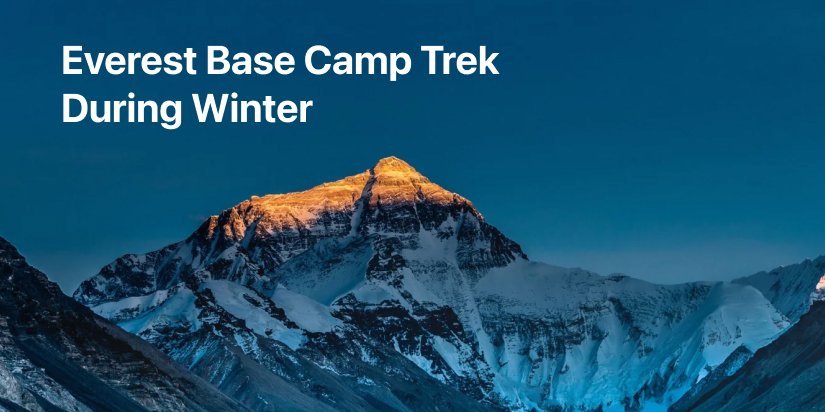
Most people never consider the Everest region in winter, and that is exactly why some trekkers love it. The crowds of October and April disappear, the air is dry and still, and on a good day you can stand at Kala Patthar with Everest to yourself. But winter in the high Himalaya is a real winter, and it needs to be taken seriously.
This guide answers one question: is the Everest Base Camp trek worth doing between December and February, and what should you expect if you go? For a comparison with the other seasons, see our overview of the best time to trek to Everest Base Camp.
In this guide
- What Winter on the Everest Trail Is Really Like
- Winter Temperatures on the Everest Base Camp Trek
- December, January or February: Month by Month
- Daylight Hours and Shorter Walking Days
- Which Teahouses Stay Open in Winter?
- Lukla Flights and Snow on the Trail
- Why Some Trekkers Prefer Winter
- Winter Packing Essentials
- Winter vs Spring and Autumn
- Frequently Asked Questions
- Plan a Winter Everest Base Camp Trek
What Winter on the Everest Trail Is Really Like
Winter in the Khumbu is dominated by cold, dry air from the north. That means long runs of clear skies and excellent visibility, especially in the mornings. Snowfall does happen, particularly in late January and February, but storms are usually short and followed by bright, sunny days.
The lower part of the trek, from Lukla to Namche Bazaar, stays surprisingly pleasant. Daytime temperatures are often comfortable in the sun, and the pine and rhododendron forests shelter you from the wind. It is above Tengboche and Pangboche that winter really bites, with frozen streams, icy trail sections and bitterly cold nights.
The atmosphere is completely different from peak season. Villages are quieter, some lodges are closed, and you share the trail mainly with local Sherpa families, a few porters and a small number of other trekkers. Many people describe it as the Khumbu at its most authentic.
Winter Temperatures on the Everest Base Camp Trek
Temperatures vary a lot with altitude, sun and wind. In direct sunshine, even Dingboche can feel almost warm at midday, but the moment the sun disappears behind a ridge, temperatures plunge. The figures below are typical ranges for each winter month.
| Location (altitude) | December day / night | January day / night | February day / night |
|---|---|---|---|
| Lukla (2,860 m) | 9 to 12°C / -3 to -1°C | 7 to 10°C / -5 to -2°C | 8 to 11°C / -4 to -1°C |
| Namche Bazaar (3,440 m) | 5 to 8°C / -8 to -5°C | 3 to 6°C / -10 to -7°C | 4 to 7°C / -9 to -6°C |
| Dingboche (4,410 m) | 0 to 4°C / -15 to -12°C | -2 to 2°C / -18 to -14°C | -1 to 3°C / -17 to -13°C |
| Gorak Shep (5,164 m) | -5 to 0°C / -20 to -17°C | -8 to -3°C / -25 to -20°C | -6 to -1°C / -23 to -18°C |
Wind chill is the hidden factor. On the exposed moraine between Lobuche and Gorak Shep, or on the summit of Kala Patthar at sunrise, a steady breeze can make -15°C feel closer to -30°C. Frostbite on fingers and toes is a real risk without proper gloves, boots and socks.
December, January or February: Month by Month
Each winter month has a slightly different balance of cold, snow and services. Here is how they compare.
| Month | Day temp (high camps) | Night temp (high camps) | Trail busy | Teahouse availability | Flights | Overall verdict |
|---|---|---|---|---|---|---|
| December | -5 to 4°C | -20 to -12°C | Low, some trekkers in early December | Most lodges open, a few closing late in the month | Generally good | Best winter month for most trekkers |
| January | -8 to 2°C | -25 to -14°C | Very low | Several lodges closed above Namche | Wind can cause delays | For experienced cold-weather trekkers only |
| February | -6 to 3°C | -23 to -13°C | Low, rising late in the month | Lodges start reopening | Snow and wind can cause delays | Good, but snowfall more likely |
December is the most comfortable winter month. The weather is usually stable and clear, most lodges are still open and there are enough other trekkers around to make the trail feel sociable without being busy.
January is the coldest month and the quietest. Views can be stunning, but nights at Lobuche and Gorak Shep are extremely cold, and several lodges close for the season. This month suits experienced trekkers with serious winter gear.
February brings slightly longer days, but it also has the highest chance of snowfall. Some lodges begin to reopen late in the month as the spring season approaches.
Daylight Hours and Shorter Walking Days
Winter days in the Khumbu are short. Around the winter solstice in late December, you have roughly 10.5 hours of daylight at Namche, and less usable walking time in the deep valleys where the sun rises late over the ridges. In high villages like Lobuche and Gorak Shep, the sun can leave the valley floor by around 3:30 or 4 pm.
This affects how you plan each day. Late starts are common because early mornings are brutally cold, so the practical walking window is often between about 8 am and 3 pm. Most winter itineraries keep daily stages the same as in other seasons but plan to arrive at each village by early afternoon, before the temperature drops.
Building in one or two extra days also makes sense. Short snowstorms can pause walking for a day, and you will want the flexibility to wait for a clear morning before heading up to Kala Patthar or Base Camp.
Which Teahouses Stay Open in Winter?
Teahouses from Lukla to Namche Bazaar mostly stay open all winter, as these villages have a year-round population and some local trade. Namche in particular has plenty of lodges operating, along with cafes, shops and bakeries, though fewer than in peak season.
Above Namche, availability thins out. In Tengboche, Pangboche, Dingboche and Pheriche, a smaller number of lodges remain open, often run by families who stay through the winter. At Lobuche and Gorak Shep, only a few lodges operate in the coldest weeks of January. Menus are shorter, and heating is usually limited to the yak-dung or wood stove in the dining room during the evening.
Rooms themselves are unheated, so expect to see your breath in the morning and to sleep in your down jacket inside a four-season bag. A guide with local contacts will know which lodges are open in which week. For more on facilities and costs, read our guide to teahouses on the Everest Base Camp trek.
Lukla Flights and Snow on the Trail
Winter mornings are often clear, which is good news for Lukla flights. However, strong winds in the afternoon and occasional snowstorms can still cause delays and cancellations, particularly in January and February. Always plan at least one or two buffer days at the end of your trek before your international flight.
Snow is most likely on the trail above Dingboche, particularly between Lobuche and Gorak Shep and on Kala Patthar itself. After fresh snowfall, the trail can be hard to follow for a day or two until porters and yaks pack it down. Microspikes or lightweight crampons are a smart addition for icy sections, especially on the descent from Kala Patthar.
The high passes around the Everest region, such as Cho La and Kongma La, are generally not recommended in winter because of snow and ice. If you are interested in them, our guide to the high passes on the Everest Base Camp trek explains when they are usually open.
Why Some Trekkers Prefer Winter
The biggest advantage of winter is solitude. Instead of sharing Kala Patthar with dozens of other people, you may be one of only a handful of trekkers watching the sunset on Everest. Lodges are quieter, owners have more time to chat and you get a real sense of daily life in Sherpa villages.
Visibility is another plus. Dry winter air produces some of the clearest views of the year, particularly in December, and the snow-covered peaks look spectacular in low winter light. Many photographers deliberately come in winter for this reason.
Finally, winter can be good value. With fewer trekkers, rooms are easier to find and some lodges offer discounts, although food and fuel prices at high altitude remain similar to peak season.
Winter Packing Essentials
Winter on the Everest Base Camp trek needs proper cold-weather gear. The most important items are a four-season sleeping bag rated to at least -20°C, a heavy down jacket with a hood, insulated trousers or down pants for evenings, and warm, well-fitted boots with good insulation.
On top of that, bring several pairs of thick wool socks, liner gloves plus insulated mitts, a warm hat, a buff or balaclava and glacier-grade sunglasses. Hand warmers and a hot-water bottle for your sleeping bag make a big difference to your comfort at Lobuche and Gorak Shep.
Carry electronics and batteries close to your body during the day and inside your sleeping bag at night, because cold drains batteries very quickly at altitude.
Winter vs Spring and Autumn
Compared with spring and autumn, winter offers fewer people, lower prices and often clearer skies. In exchange, you face much colder temperatures, shorter days and fewer open teahouses higher up the valley.
If you want a comfortable, sociable trek with every facility available, spring or autumn will suit you better. Our guide to the Everest Base Camp trek in spring covers the warmest season in detail. If you value peace and quiet and are comfortable with serious cold, winter can be an unforgettable alternative.
Frequently Asked Questions
Is the Everest Base Camp trek safe in winter?
Yes, with the right preparation. The main risks are extreme cold, frostbite and icy trail sections, along with fewer open lodges and possible flight delays. With proper winter gear, a flexible itinerary and ideally a guide who knows which lodges are open, winter trekking is safe for fit, well-prepared trekkers.
How cold is Everest Base Camp in December?
In December, daytime temperatures around Gorak Shep and Base Camp are usually between about -5°C and 0°C in the sun, while nights fall to around -17°C to -20°C. Wind chill on exposed ridges can make it feel much colder.
Do teahouses stay open on the EBC trail in winter?
Most teahouses between Lukla and Namche Bazaar stay open all winter. Above Namche, fewer lodges operate, and in January only a few remain open at Lobuche and Gorak Shep. Menus are shorter and rooms are unheated, but you can still complete the trek staying in teahouses.
Is the EBC trek good for beginners in winter?
Winter is not ideal for complete beginners. The trek itself is not technical, but the extreme cold, short days and fewer facilities make it much more demanding. Beginners are better off choosing spring or autumn, or trekking in winter only with an experienced guide and top-quality cold-weather gear.
Plan a Winter Everest Base Camp Trek
A winter trek to Everest Base Camp rewards careful planning more than any other season. Check the full route and altitude profile on our Everest Base Camp trek map, explore the Everest Base Camp trek for itineraries, and talk to Zeal Nepal Trek about winter departures with guides who know which lodges are open.