Last updated: 24 September 2026
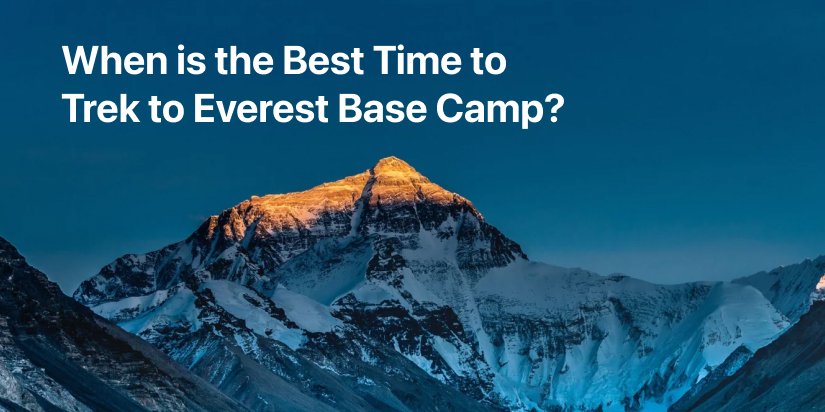
The best times to trek to Everest Base Camp are spring (mid-March to May) and autumn (October to November), when skies are clear, temperatures are pleasant and the trail is fully open. Winter works for trekkers who can handle serious cold, while the monsoon months of June to mid-September are the hardest time to get the views most people come for.
Choosing when to go is the single biggest decision you will make about this trek. The route, the teahouses and the mountains never change, but the weather, the crowds and the reliability of the Lukla flight change dramatically from one month to the next. This guide compares every season side by side so you can pick the window that fits your dates, your budget and your tolerance for cold or crowds.
If you are still building your overall plan, start with our complete Everest Base Camp trek guide, then come back here to lock in your dates.
In this guide
- Everest Base Camp Seasons at a Glance
- Spring: Mid-March to May
- Autumn: October to November
- Winter: December to February
- Monsoon: June to Mid-September
- Everest Base Camp Weather Month by Month
- How the Season Affects Lukla Flights
- Crowds and Teahouse Availability by Season
- Which Season Should You Choose?
- Frequently Asked Questions
- Plan Your Everest Base Camp Trek
Everest Base Camp Seasons at a Glance
Nepal has four trekking seasons, and each one feels completely different at altitude. The Khumbu region sits in the rain shadow of the high Himalaya for most of the year, but the summer monsoon still pushes moisture deep into the valleys, and winter brings bitter nights above 4,000 metres.
The table below summarises what to expect in each season. Temperatures are typical ranges for the high section of the trail around Lobuche and Gorak Shep (4,940 m to 5,164 m), which is where the weather matters most.
| Season | Months | Day / night temp (high camps) | Rain / snow | Trail conditions | Crowds | Lukla flights | Best for |
|---|---|---|---|---|---|---|---|
| Spring | Mid-March to May | 4 to 10°C / -8 to -12°C | Low; afternoon cloud, rare late snow | Dry and stable | High, peaking late April to mid-May | Mostly reliable | Rhododendrons, Everest expedition atmosphere |
| Autumn | October to November | 2 to 8°C / -10 to -15°C | Very low; driest, clearest months | Dry and firm | Highest in October, easing in November | Most reliable of the year | Clearest mountain views, first-timers |
| Winter | December to February | -5 to 4°C / -18 to -25°C | Low, but snowfall possible | Icy patches, some snow | Very low | Wind and cold can delay | Solitude, experienced cold-weather trekkers |
| Monsoon | June to mid-September | 5 to 12°C / -2 to -6°C | Heavy rain below 4,000 m, cloud above | Muddy, leeches, landslide risk low down | Very low | Frequent cancellations | Budget trekkers, botanists, flexible schedules |
These are typical ranges rather than guarantees. A cold snap in November or an early storm in May can push numbers outside them, which is why a flexible buffer day or two is worth more than any forecast.
Spring: Mid-March to May
Spring is the busiest season on the Everest Base Camp trek, and for good reason. Days are long and warm by Himalayan standards, the trail is dry, and the lower Khumbu comes alive with rhododendron forests blooming red, pink and white between Phakding and Tengboche, usually peaking in April.
Spring is also Everest climbing season. From April, expedition teams set up their tents at Base Camp, so trekkers who arrive in late April or May see a small village of yellow tents on the Khumbu Glacier rather than an empty moraine. For many people, that buzz is the highlight of the whole trip.
The trade-off is crowds and haze. Teahouses in Namche, Dingboche and Gorak Shep fill up quickly from late April to mid-May, and by afternoon, cloud and dust haze can soften the views. Early starts are the norm. You can read the full month-by-month picture in our guide to the Everest Base Camp trek in spring.
Autumn: October to November
Autumn is the clearest season of the year. The monsoon washes dust out of the air, and from early October the Khumbu settles into a long run of cold, dry, blue-sky days. This is when you get the crisp, postcard views of Everest, Lhotse, Ama Dablam and Pumori that most people picture when they book.
October is the single busiest month on the trail, and it overlaps with Nepal’s two biggest festivals, Dashain and Tihar. November is slightly colder but noticeably quieter, and visibility stays excellent. Many experienced guides consider early-to-mid November the sweet spot of the entire year.
September is a shoulder month. The monsoon usually tails off during the second half of the month, but lingering cloud and rain are common in the lower valleys. For the full breakdown, see our autumn Everest Base Camp trek guide.
Winter: December to February
Winter is the quiet season. The skies are often very clear because the air is so dry, and you can have entire viewpoints like Kala Patthar almost to yourself. The catch is the cold. Night temperatures at Gorak Shep regularly fall to -20°C or below in January, and wind chill on exposed ridges makes it feel even colder.
Shorter daylight hours mean shorter walking days, and some teahouses above Namche close or run with limited menus, especially in January. Snowfall can cover sections of trail above Dingboche for a few days at a time. None of this makes winter impossible, but it does demand a four-season sleeping bag, proper down clothing and a more flexible itinerary.
If you are weighing up a December or January trip, our winter Everest Base Camp guide covers temperatures, teahouse closures and the real pros and cons in detail.
Monsoon: June to Mid-September
The monsoon is the least popular time to trek to Everest Base Camp. Most of Nepal’s annual rainfall arrives between June and September, and while the upper Khumbu receives less rain than the lowlands, cloud often hides the peaks for days at a time. The trail below Namche turns muddy and leeches are common in the forests.
The biggest practical problem is the flight to Lukla. Low cloud can ground flights for several days in a row, which means you need generous buffer days at both ends of the trip. Occasional landslides also affect the lower trail and the roads to Ramechhap airport.
There are upsides: empty trails, discounted rooms and lush green valleys full of wildflowers. If your only window is summer, read our honest guide to the Everest Base Camp trek in monsoon before you commit.
Everest Base Camp Weather Month by Month
Seasons are a useful starting point, but conditions shift noticeably within each one. Early March still feels wintry above Dingboche, while late May can bring the first pre-monsoon cloud. Likewise, early October can have lingering monsoon moisture, and late November starts to feel like winter.
Use this month-by-month summary to fine-tune your dates once you have chosen a season.
| Month | Conditions | Crowds | Verdict |
|---|---|---|---|
| January | Coldest month; clear but harsh nights | Very low | Experienced trekkers only |
| February | Very cold, days lengthening, occasional snow | Low | Good for quiet trails if well equipped |
| March | Warming up; cold nights above 4,000 m | Building | Good, especially late March |
| April | Stable, rhododendrons in bloom, expeditions arrive | High | Excellent |
| May | Warmest pre-monsoon month; haze and afternoon cloud | High to mid-May | Very good, book early |
| June | Monsoon arrives; rain and cloud increase | Low | Poor for views |
| July | Peak monsoon; frequent flight delays | Very low | Poor |
| August | Wet and cloudy, lush lower valleys | Very low | Poor |
| September | Monsoon retreats in the second half | Building | Fair, better late in the month |
| October | Clearest skies of the year | Peak | Excellent |
| November | Clear, colder, quieter | Moderate | Excellent |
| December | Cold and dry, winter begins | Low | Good for prepared trekkers |
How the Season Affects Lukla Flights
Almost every Everest Base Camp trek begins with a short mountain flight to Tenzing-Hillary Airport in Lukla (2,860 m). Flights only operate in good visual conditions, so weather at Lukla, at the departure airport and along the route all have to cooperate. This makes the season one of the biggest factors in whether your trip runs on time.
During the busy spring and autumn seasons, most Lukla flights now depart from Manthali Airport in Ramechhap, roughly a four to five hour drive from Kathmandu, to ease congestion at Kathmandu’s domestic terminal. Autumn generally has the most reliable flying weather. Winter mornings are often clear but wind can pick up later in the day, and the monsoon brings the highest rate of delays and cancellations.
Whatever month you choose, build at least one spare day into your schedule before your international flight home. If avoiding the Lukla flight altogether appeals to you, our guide to alternative ways to reach Everest Base Camp covers the Jiri trail and helicopter options.
Crowds and Teahouse Availability by Season
Crowd levels track the weather closely. The two peak windows are late March to mid-May and the whole of October, with a slightly calmer November. In these periods, the most popular villages on the trail, especially Namche Bazaar, Dingboche, Lobuche and Gorak Shep, can run short of rooms by mid-afternoon.
Trekking with a guide who books ahead is the easiest way to guarantee a bed in peak season. Independent trekkers usually still find a room, but it may be a basic one or a dining-room bench at Gorak Shep on the busiest nights. In winter and monsoon, the opposite problem applies: fewer lodges are open above Namche, so you have fewer choices, though rarely a full house.
Our guide to teahouses on the Everest Base Camp trek explains room types, prices and when booking ahead actually matters.
Which Season Should You Choose?
For most first-time trekkers, October to November is the best all-round choice. You get the clearest views, dependable flights and comfortable daytime temperatures, and the trail is busy enough to feel sociable without being overwhelming if you avoid mid-October.
Choose spring if you want warmer days, rhododendron blooms and the atmosphere of Everest expedition season, and you do not mind more people on the trail. Choose winter if solitude matters more to you than comfort and you have the gear and experience to handle deep cold. Consider the monsoon only if summer is your only option and you have plenty of flexibility.
Whichever window you pick, study the route and altitude profile on our Everest Base Camp trek map so you understand where the cold nights and big climbs fall in your itinerary.
Frequently Asked Questions
Is spring or autumn better for the Everest Base Camp trek?
Both are excellent. Autumn (October to November) usually offers clearer skies and sharper mountain views, while spring (mid-March to May) is slightly warmer and brings rhododendron blooms and the Everest climbing season atmosphere. If views are your priority, choose autumn. If you prefer warmer days and flowers, choose spring.
Is the Everest Base Camp trek possible in winter?
Yes. The trek is open all winter, and December to February brings very clear skies and quiet trails. However, nights at Gorak Shep can drop to -20°C or lower, some teahouses close, and you need a four-season sleeping bag and full down clothing.
Is June or July too rainy for Everest Base Camp?
June and July are peak monsoon months. You can still complete the trek, but expect daily rain in the lower valleys, cloud hiding the peaks for long spells, leeches in the forest and a high chance of Lukla flight delays. Most trekkers find the experience disappointing for views.
Which is the coldest month on the EBC trek?
January is the coldest month. Daytime temperatures near Gorak Shep often stay below freezing, and night-time temperatures commonly fall between -20°C and -25°C once wind chill is included.
When can I see Everest best from Kala Patthar?
The clearest views from Kala Patthar (5,545 m) come in October, November and on calm winter days. Sunset is popular because the light hits Everest’s face directly, while sunrise is colder but often has fewer clouds. Spring views are good in the morning but haze and cloud tend to build by the afternoon.
Plan Your Everest Base Camp Trek
Once you know your season, the rest of the plan falls into place: flights, permits, gear and how many acclimatisation days you need. Head back to our Everest Base Camp trek to build out the rest of your trip, or get in touch with the Zeal Nepal Trek team for a guided itinerary that fits your dates.