Trekking in Nepal in Winter: Where to Go and What to Expect
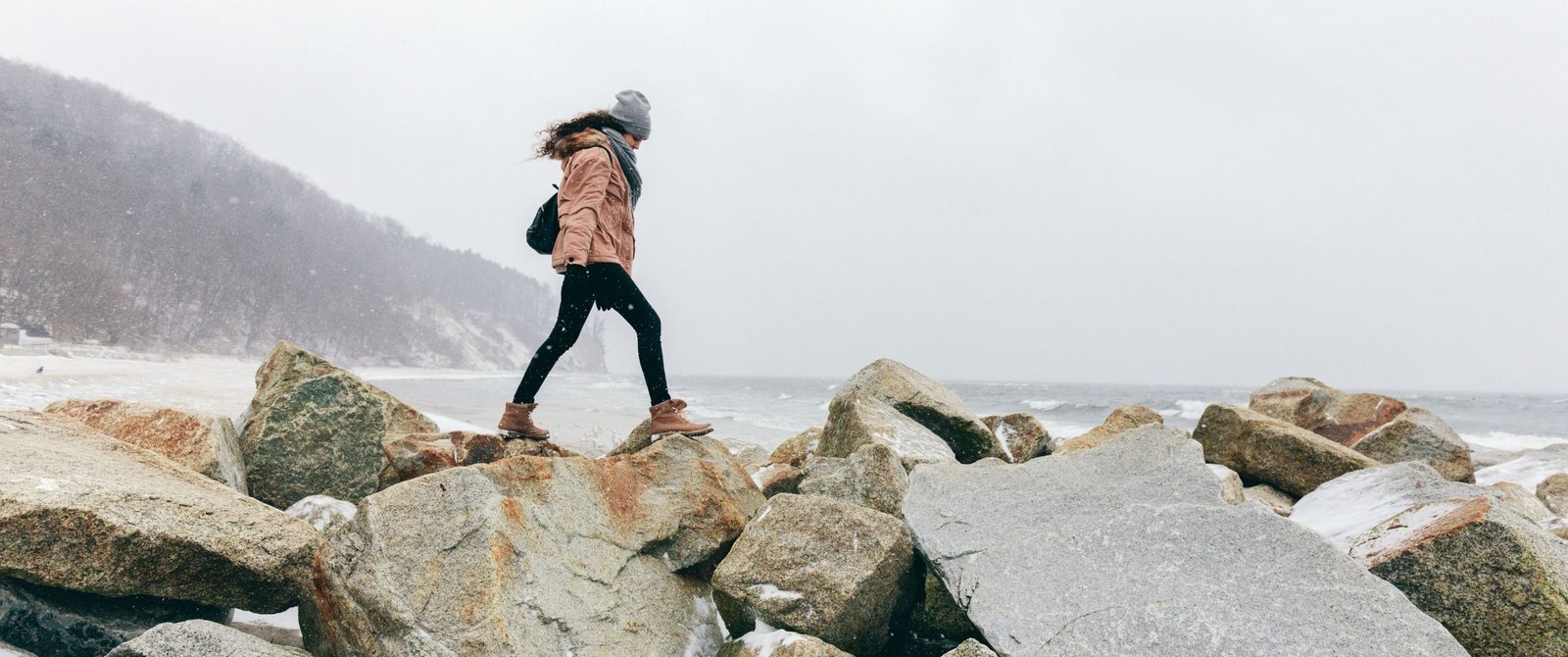
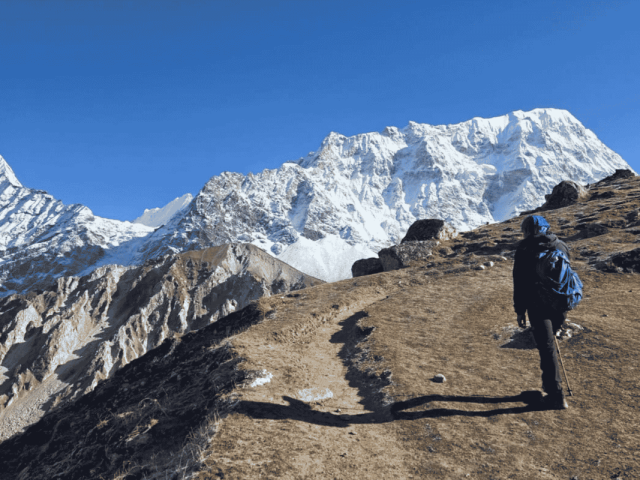
Yes, you can trek in Nepal in winter (December to February). Days are often clear and sunny and the trails are quiet, but nights are very cold and snow can close high passes such as the Thorong La, Larkya La and Cho La. The best winter treks stay below about 4,000 m, or reach higher only on routes with lodges that stay open.
Why trek in winter
- Clear skies. Winter air is dry, so mountain views are often the sharpest of the year.
- Quiet trails. You share teahouses with far fewer trekkers than in spring or autumn.
- Easier bookings. Rooms, flights and guides are easier to get at short notice.
What to expect
| Lower treks (below 3,000 m) | High treks (4,000–5,500 m) | |
|---|---|---|
| Daytime | 10–15 °C, sunny | around 0–5 °C in the sun |
| Night | around 0 °C | −10 to −20 °C |
| Snow | occasional | likely; passes may close |
| Lodges | open | some close, especially in Jan–Feb |
Days are short, so walking starts later and finishes earlier. Rooms are unheated; the dining room stove is where everyone gathers in the evening.
The best treks in winter
Ghorepani Poon Hill — the easy classic
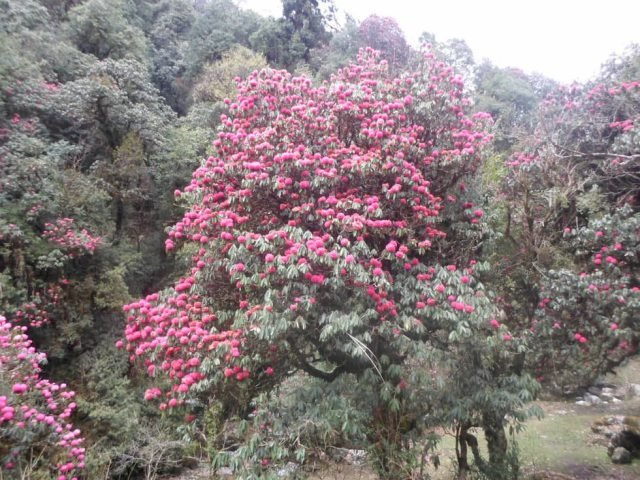
Four to five days from Pokhara through rhododendron forest to the Poon Hill viewpoint (3,210 m) for sunrise over Dhaulagiri and Annapurna. Low enough to be comfortable in winter. → Poon Hill Trek
Langtang Valley — big mountains close to Kathmandu
A week up the Langtang valley to Kyanjin Gompa (3,870 m), with Tamang villages and Langtang Lirung right above you. Expect snow above Kyanjin; the Kyanjin Ri viewpoint is still possible on clear days. → Langtang Valley Trek
Khopra Ridge and Mohare Danda — quiet viewpoints
Ridge-top lodges facing Dhaulagiri and Annapurna South, far quieter than Poon Hill. → Khopra Danda Trek · Mohare Danda Trek
Jomsom and Muktinath — dry and windy
The Kali Gandaki valley lies in the rain shadow, so winter is dry. Mornings are calm, afternoons windy. → Jomsom Muktinath Trek
Annapurna Base Camp — possible, with care
ABC (4,130 m) is reachable in winter and the sanctuary is spectacular under snow. After heavy snowfall the section between Deurali and Machhapuchhre Base Camp can be closed for avalanche risk, so build in a spare day. → Annapurna Base Camp Trek
Everest Base Camp — best in early December or late February
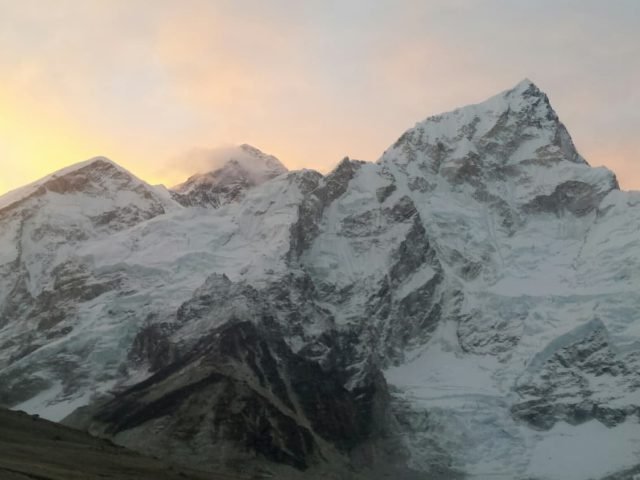
EBC is open all winter and the views are superb, but nights at Lobuche and Gorak Shep drop well below −15 °C and some lodges close in January. Good gear and a flexible schedule are essential. → Everest Base Camp Trek · EBC in winter
Short winter options near Kathmandu and Pokhara
- Chisapani, Nagarkot and Dhulikhel — hill walks with Himalayan sunrises and comfortable lodges.
- Panchase Trek — forest and villages above Phewa Lake.
- Chitwan National Park — winter is the best season for wildlife.
Treks to avoid in mid-winter
- High passes: Thorong La (Annapurna Circuit), Larkya La (Manaslu), and the Cho La, Kongma La and Renjo La (Three Passes) can be closed by snow, especially in January and February.
- Upper Mustang: very cold, and many families move south for the winter, so lodges in Lo Manthang close. Go from March to November instead.
- Gosaikunda: the lake (4,380 m) and the Lauribina La are often snowbound.
Winter packing essentials
- A warm down jacket and a sleeping bag rated to −15 °C or lower (both can be rented in Kathmandu).
- Thermal base layers, a fleece, insulated gloves and a warm hat.
- Microspikes for icy sections, and gaiters on high treks.
- Sunglasses and sunscreen — winter sun on snow is strong.
- An insulated water bottle so your water doesn’t freeze overnight.
Planning tips
- Add one or two spare days for snow or delayed flights.
- Make sure your travel insurance covers trekking altitude and helicopter evacuation.
- Read trekking in Nepal in December for the start of the season.
- Not sure which trek suits winter? Ask a local guide — we tell you honestly when a route isn’t a good idea.