Everest Base Camp Trek in December: Weather, Crowds & Tips
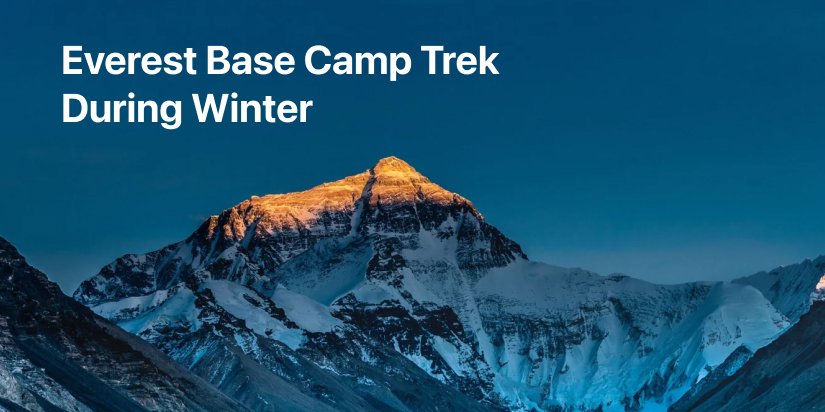
December is one of the best-kept secrets for the Everest Base Camp trek. The skies are usually the clearest of the year, the autumn crowds have gone, and teahouses have rooms to spare. The trade-off is cold: nights at Gorak Shep fall to around −15°C to −20°C. If you pack properly, December gives you the classic Everest views with a fraction of the people.
In short: go in early to mid December for the best balance of clear weather and manageable cold. Bring a −20°C sleeping bag and a proper down jacket, and allow one spare day for Lukla flights.
December weather on the Everest Base Camp trek
December is part of the dry season. Snowfall is uncommon in the first half of the month, and most days are sunny and still in the morning, with wind picking up in the afternoon at higher altitudes. Typical temperatures:
| Place | Altitude | Daytime | Night |
|---|---|---|---|
| Lukla / Phakding | 2,610–2,860 m | 8–12°C | −2 to −5°C |
| Namche Bazaar | 3,440 m | 5–10°C | −5 to −8°C |
| Dingboche | 4,410 m | 0–5°C | −10 to −14°C |
| Lobuche / Gorak Shep | 4,940–5,164 m | −5 to 2°C | −15 to −20°C |
In direct sun it feels much warmer than these numbers suggest. Once the sun drops behind the ridges in mid-afternoon, the temperature falls fast. Daylight lasts about 10.5 hours, so start walking early.
Pros of trekking to Everest Base Camp in December
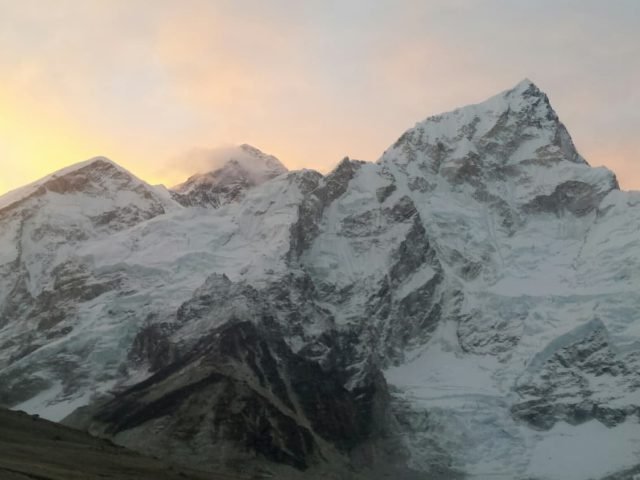
- Crystal-clear views. Dry winter air gives sharp, cloudless views of Everest, Lhotse, Ama Dablam and Pumori, often all day.
- Far fewer trekkers. After the November peak, numbers drop sharply. You get the viewpoints, teahouse dining rooms and Kala Patthar sunrise largely to yourself.
- Better rooms. Teahouses are no longer full, so private rooms and rooms with attached bathrooms are easier to get in Namche and Dingboche.
- Christmas or New Year in the Himalaya. A December trek can be planned so you are in Namche or at Base Camp over the holidays.
Cons and how to handle them
- Cold nights. Rooms are unheated; only the dining room has a yak-dung or wood stove in the evening. A warm sleeping bag, thermal layers and a hot-water bottle (teahouses will fill one) make all the difference.
- Some lodges close. A few teahouses above Dingboche close for the winter, but enough stay open on the main trail, including at Lobuche and Gorak Shep, through December.
- Frozen water. Taps and pipes can freeze at night above 4,000 m. Keep your water bottle inside your sleeping bag.
- Shorter days. Walking days are the same length but daylight is shorter, so we start earlier and arrive before the afternoon chill.
- Late-December snow risk. Snow is more likely towards the end of December and in January. Early to mid December is the safer window.
Lukla flights in December
In the spring and autumn peak seasons, most Lukla flights depart from Manthali airport in Ramechhap, about four hours’ drive from Kathmandu. Outside the peak, flights generally return to Kathmandu’s domestic terminal, though the exact switch date varies each year. Morning flights are usually reliable in December because skies are clear, but fog or wind can still cause delays. We build a buffer into every Everest itinerary and recommend you keep one spare day before your international flight home.
What to pack for a December EBC trek
On top of the standard Everest packing list, December needs:
- A four-season sleeping bag rated to about −20°C (available to rent in Kathmandu)
- A warm down jacket with a hood, worn every evening and morning
- Thermal base layers (top and bottom), plus a fleece mid-layer
- Insulated gloves with liner gloves, and a warm hat and buff
- Warm socks and camp booties or down slippers for the teahouse
- Sunglasses (category 3 or 4) and high-SPF sunscreen: the winter sun at altitude is strong
- A power bank, kept warm, as cold drains batteries quickly
Our December itinerary
We run our 13-day Everest Base Camp trek in December on private dates. It includes two acclimatisation days, in Namche Bazaar and Dingboche, and the sunrise climb of Kala Patthar (5,545 m). The price starts at US$1,350 per person for two to three trekkers. For a full breakdown of what you will spend, see our Everest Base Camp trek cost guide.
December vs other months
If you can travel any time, October and November give you milder temperatures with similarly clear skies, but you will share the trail with many more people. Late February and March warm up again, with more haze. For the full picture, read the best time to trek in Nepal and our guide to Everest Base Camp in winter.
Frequently asked questions
Is it safe to trek to Everest Base Camp in December?
Yes, with the right gear and a guide who knows winter conditions. The main risks are cold and altitude, both of which are managed with proper layers, hydration and a sensible acclimatisation schedule.
Will there be snow on the trail?
Usually not much in early to mid December. Light snow is possible higher up, and microspikes can be useful after a fall of snow. Your guide will advise on the day.
Can I do the trek over Christmas?
Yes. Start around 18–20 December to spend Christmas in the high Khumbu, or around 23 December to reach Base Camp near New Year. Ask us to plan your dates.
Thinking of a December trek? Talk to us about private December departures for the Everest Base Camp trek, or read our guide to teahouses on the EBC trek.