Solo trekking in Nepal is something many travelers dream about. Walking quiet trails, setting your own pace, and experiencing the Himalayas on your own terms.
But before you decide to trek alone, it’s important to understand both sides of the experience.
Solo trekking in Nepal can be deeply rewarding and it comes with responsibilities and limitations. This guide breaks down the real pros and cons of solo trekking in Nepal, so you can make an informed choice.
What Is Solo Trekking in Nepal?
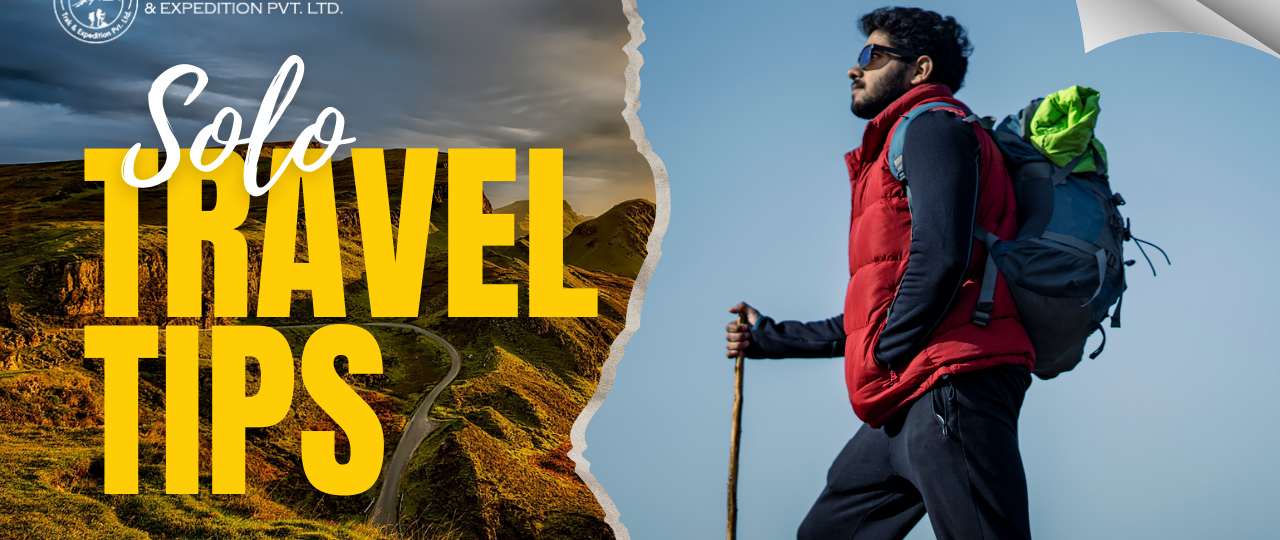
Solo trekking in Nepal means trekking independently, without joining a group trek. Some solo trekkers travel completely alone, while others hire a guide or porter but don’t join a group.
The experience varies depending on trekking route, season, altitude and personal experience level
Understanding what “solo” means for you is the first step.

Pros of Solo Trekking in Nepal
Solo trekking offers a kind of freedom that group travel doesn’t.
Freedom and Flexibility While Solo Trekking in Nepal
One of the biggest advantages is control. You can:
- Walk at your own pace
- Stop when you want
- Change plans if needed
- Spend more time in places you enjoy
There’s no need to adjust to group dynamics.
Personal Growth and Confidence on Solo Treks
Solo trekking pushes you out of your comfort zone in a positive way. Many trekkers say:
- They feel more confident afterward
- They connect more deeply with local people
- They become more aware of their own limits and strengths
For experienced travelers, this independence is a major draw.
Deeper Cultural Interaction During Solo Trekking
When you’re alone, you’re more approachable. Solo trekkers often find:
- Locals are more likely to chat
- Conversations feel more personal
- Cultural experiences feel less rushed
This can make the journey feel more authentic.
Cons of Solo Trekking in Nepal
Solo trekking also comes with real challenges especially in the mountains.
Safety Concerns for Solo Trekking in Nepal
Safety is the biggest concern. Challenges include:
- Managing altitude symptoms alone
- No immediate support if you feel unwell
- Limited help in bad weather or emergencies
Even on popular routes, help may not be close at high altitude.
Altitude Management While Solo Trekking in Nepal
Altitude affects everyone differently. Without a guide, it’s easier to ignore early symptoms. You may push yourself too hard and decision-making can be emotionally difficult
Many serious altitude problems happen when trekkers continue alone instead of resting or descending.
Navigation and Logistics for Solo Treks in Nepal
While trails are generally clear, things can still go wrong.
Solo trekkers may face:
- Route confusion in poor weather
- Difficulty finding accommodation in peak season
- Permit or regulation misunderstandings
Small issues become bigger when you’re alone.
Loneliness on Long Solo Treks in Nepal
Not everyone enjoys extended solitude. Long days of walking without conversation can feel isolating, especially on longer treks like Everest Base Camp.
Some trekkers love the quiet. Others realize they miss shared experiences.
Is Solo Trekking in Nepal Allowed?
Rules and regulations can change, and requirements may vary by region and time. In general, some routes allow independent trekking and others may require guides or local support. Before planning a solo trek, it’s important to check current trekking regulations and permit requirements.
Best Routes for Solo Trekking in Nepal
If you do choose to trek solo, safer options include:
- Well-established trails
- Lower to moderate altitude routes
- Areas with regular villages and teahouses
Shorter treks with good infrastructure are more suitable than remote or high-altitude routes.
Solo Trekking vs Trekking with a Guide in Nepal
Many trekkers choose a middle path.
Trekking with a guide iIncreases safety. It helps manage altitude and still allow personal freedom. You get local knowledge and support without the pressure of a group.
For many, this offers the best balance.
Is Solo Trekking in Nepal Worth It?
Solo trekking can be worth it if you:
- Have prior trekking experience
- Are comfortable making decisions alone
- Choose appropriate routes
- Respect altitude and weather
For first-time trekkers, high-altitude treks, or those unsure about fitness and acclimatization, guided trekking is often the safer and more enjoyable option.
Final Thoughts: Solo Trekking in Nepal – Pros & Cons
Solo trekking in Nepal is neither good nor bad by default.
It’s about experience, preparation, route choice and personal comfort with risk. The Himalayas reward respect and patience whether you trek alone or with support.
Need Help Deciding How to Trek in Nepal?
If you’re unsure whether solo trekking is right for you, or want advice on safer options:
👉 Send us a trekking inquiry, and we’ll help you decide whether solo, guided, or private trekking in Nepal fits your experience, goals, and comfort level.
The right choice is the one that lets you enjoy the mountains with confidence.